Pest Management in North York: Local Services, Common Pests, and Prevention Tips
Why pest removal matters in North York
North York, ON has a range of high-rise apartments, townhouses, detached homes, basement suites, and business properties, and this mix is a major reason pest problems can appear different from one block to the next. In a compact urban area, pests have more ways to move between units, use shared walls, and find hidden nesting areas in storage rooms, utility chases, and basement areas. That makes pest control North York residents rely on an important part of property care, not just a fix to a visible infestation.
Urban density also affects how quickly recurring pests can spread. In multi-unit buildings near Finch, Yonge, Sheppard, and Don Mills, a small issue in one suite can become a larger issue if monitoring, sanitation, and exclusion are delayed. Rodents and cockroaches are especially common in these environments because they can travel through entry points in plumbing lines, wall gaps, and service corridors. For landlords, property managers, and homeowners alike, proactive prevention supports home protection, resident safety, and damage control.
Seasonal pest pressure is another consideration in North York. During the warmer months, insects are more active outside, while colder weather in the Greater Toronto Area often drives pests indoors in search of warmth, food, and shelter. That means prevention is not a one-time task. It requires ongoing monitoring, moisture control, and a practical treatment plan that fits the property type and the level of risk.
Modern pest management in North York should also be eco-conscious and focused on safe solutions. A well-run program balances control measures with long-term risk reduction, using inspection, sanitation, and exclusion as core steps before or alongside extermination when needed.
Frequent pests encountered in North York homes and businesses
North York properties face a predictable mix of pests, although the exact issues often depend on whether the building is a condo, detached home, townhome, or commercial property. The most common calls involve ants, cockroaches, mice, and bed bugs, but other pests such as rats, wasps, and spiders can also cause problems throughout the year.
Ants often turn up in kitchens, basements, and around foundation cracks. In spring and early summer, they can trail toward moisture sources, crumbs, or pet food. While some ant activity seems minor at first, recurring ants can indicate an entry point or an outdoor nest close to the structure.
Cockroaches are a serious concern in apartment buildings, older homes, and food-related commercial properties. They thrive in warm, hidden areas where there is moisture and easy access to food. Their ability to spread quickly through shared spaces makes early inspection and monitoring especially important in dense neighbourhoods.
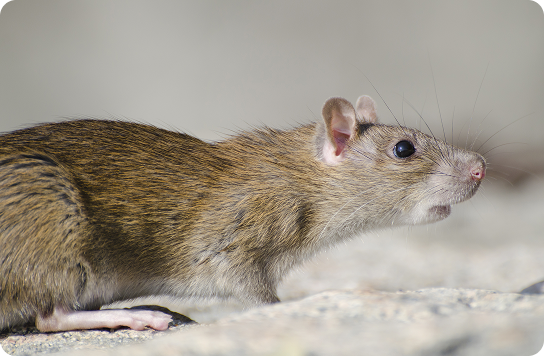
Mice and rats are among the most disruptive rodents in North York. They can squeeze through surprisingly small gaps, nest in walls or storage areas, and contaminate food surfaces. In condos and mixed-use buildings, rodents may travel between garbage collection areas, loading docks, basements, and utility spaces. Because rodents are persistent, exclusion services and sanitation are essential parts of any long-term solution.
Bed bugs are another frequent issue, especially in multi-unit residential settings where turnover is high. They do not indicate poor housekeeping alone; instead, they spread easily through furniture, luggage, and adjoining units. Fast identification and a precise treatment plan matter because bed bugs are known for rapid spread and stubborn recurrence if the full infestation is not addressed.
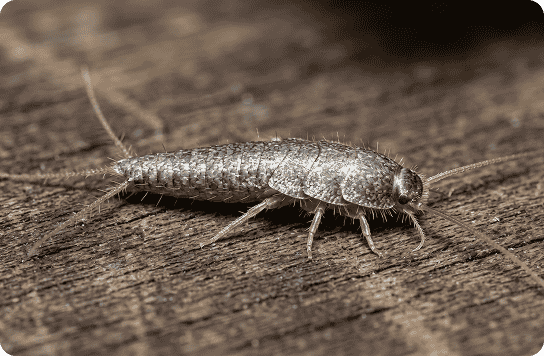
Yellowjackets are more noticeable in hotter months around roof edges, porches, and outside entertainment areas. Web-spinners are often found indoors where they trail behind other insects or nest in quiet corners, storage areas, and basements. While spiders are usually less urgent than rodents or cockroaches, a increase in activity can still signal a broader insect issue that requires attention.
Clues you may need pest control North York residents trust
Some people delay action because they are not sure whether the problem is bad enough for professional help. The warning signs are often not obvious at first, but they become more noticeable once you know what to look for. If you notice droppings in cupboards, along baseboards, in storage rooms, or near appliances, that is a strong indicator of rodents or cockroaches. Droppings are one of the most reliable signs of active infestation and should be inspected promptly.
Property damage is another indicator. Chewed packaging, gnawed wires, shredded insulation, damaged baseboards, or torn fabrics can suggest mice or rats are moving around the area. In North York homes and businesses, damage control becomes harder on the budget the longer the infestation continues, especially where rodents have access to concealed voids.
Musty odours can also suggest pest activity. A stale, oily, or sour smell may be connected to cockroach presence, rodent nesting, or hidden moisture problems that make the property more attractive to pests. These odours are sometimes most intense in basements, utility rooms, and older suites with limited ventilation.
Night-time activity is especially important to note. Mice, rats, and cockroaches often move after dark, so scratching sounds in walls, rustling in ceilings, or quick movement in the kitchen at night can indicate that pests are active when the building is quiet. Because many pests are nocturnal, homeowners may not see them directly until the infestation is already fully underway.
Other clues include grease marks, shed skins, nesting material, and unexplained bites in the case of bed bugs. If you are seeing repeat pest activity after cleaning or setting traps, that usually means the underlying issue is still there. Professional property inspection and monitoring can identify the source of the problem rather than just the symptoms.
Which area pest control services usually include
A reliable pest control service in North York usually begins with a detailed assessment. This step is essential because the best treatment is based on the pest species, the level of infestation, and the layout of the property. A proper property inspection identifies harbourage, entry points, moisture sources, food access, and signs of nesting or movement.
After inspection, the company should create a treatment plan tailored to the situation. For some issues, extermination may be part of the solution right away. For others, especially recurring pests in condos or commercial properties, treatment is combined with sanitation, exclusion, and monitoring to improve lasting control. The best plans are not one-size-fits-all. They match the property type, compliance needs, and resident safety concerns.
Exclusion is a major part of effective pest management. This can include sealing cracks, repairing gaps around pipes, improving weatherstripping, securing vents, and closing other entry points that rodents or insects can use. In North York, exclusion services are especially valuable in townhomes, detached homes, and older buildings where settling, renovations, or utility openings create access for pests.
Post-treatment visits is also important. Many infestations cannot be solved in a single visit, particularly when dealing with bed bugs, rodents, or cockroaches in multi-unit environments. Follow-up allows technicians to check activity levels, adjust control measures, and confirm that the treatment plan is working. Ongoing monitoring can catch early signs of recurring pests before they spread.
In many cases, modern pest control also includes advice on sanitation, moisture control, and housekeeping habits so the issue does not return. That combination of extermination, exclusion, and prevention reflects a more balanced approach and often produces better results than chemical treatment alone.

How to choose a pest management company in North York
Selecting the best provider for pest control North York property owners can depend on starts with verifying licensed technicians. Proper licensing matters because it signals proper training, adherence to standards, and a better knowledge of safe application methods. For homes, apartment units, and commercial properties alike, you want technicians who can describe their process clearly and recommend appropriate control measures.
Look for companies that use integrated pest management. This approach blends inspection, monitoring, sanitation, exclusion, and targeted treatment instead of relying only on broad pesticide use. Integrated pest management is especially useful in North York because different buildings face different pressures, from basement suite mice to cockroaches in dense condo corridors. It also promotes environmentally responsible service and better risk reduction over time.
Service guarantees can be useful, but they should be specific and realistic. Ask what the guarantee covers, whether follow-up visits are included, and what conditions must be met for the guarantee to remain valid. The best companies are transparent about what they will and will not promise, especially when the infestation involves adjacent units, shared walls, or ongoing access issues.
Reviews are another important guide. Look for feedback that mentions punctuality, communication, professionalism, and whether the technician solved the root cause rather than just the visible symptoms. In a city like North York, local reviews can also reveal whether a company is familiar with condos, detached homes, townhomes, and commercial properties in https://oakville-onns525.rivetgarden.com/posts/pest-management-in-north-york-area-guide-for-houses-and-commercial-properties the area.
Finally, ask how the company handles resident safety, compliance, and odor-free treatment options. A strong provider should be able to outline safe solutions clearly and recommend options appropriate for children, pets, and sensitive spaces. Good communication is often a sign of strong service overall.
Prevention strategies for North York property owners
Keeping pests away is easier and less intrusive than responding to a full infestation. One of the most important steps is food storage. Keep food in sealed containers, wipe up spills quickly, and avoid leaving pet food out overnight. In both residential and commercial kitchens, accessible food is a major attractant for ants, cockroaches, mice, and rats.
Checking entry points is equally important. Gaps around windows, doors, vents, utility penetrations, and foundation cracks can give pests direct access to the building. In North York, where older detached homes sit near newer townhomes and condo developments, small openings can become easy pathways for rodents and insects. Sealing these access points helps prevent infestation and supports long-term exclusion.
Waste management is a major factor in prevention. Garbage should be stored in well-fitted bins, recycling should be kept tidy, and dumpster areas should be cleaned regularly. Overflowing waste attracts pests quickly, especially in dense neighbourhoods and multi-unit buildings where food waste can accumulate around loading zones and shared disposal areas.
Basement moisture should never be ignored. Damp basements, minor leaks, and poor ventilation create ideal conditions for insects and rodents. Moisture control helps reduce harbourage and makes the property less appealing to recurring pests. In basement suites and older homes, dehumidification, leak repair, and ventilation improvements can make a noticeable difference.
Proper cleanliness supports every other part of prevention. This includes regular sweeping, cleaning behind appliances, clearing clutter, and reducing storage that gives pests hiding places. A tidy environment won't ensure a pest-free building, but it does lower risk and makes inspection more effective if a problem does appear.
Seasonal pest issues in North York
North York shows a clear yearly cycle, and that affects what types of pests are most present. In spring, spring ants typically become visible as they search for food and create new trails. Milder weather increases insect movement outdoors, which means homes and businesses near landscaping, patios, and foundation edges may see more activity.
Summer often brings more summer wasps, especially around eaves, decks, sheds, and outdoor seating areas. In commercial settings, wasps can become a problem near entrances, patio service areas, and waste collection points. Fast action is important because nests can grow swiftly and become more defensive as the season progresses.
By fall, many properties in North York start dealing with fall rodents. As temperatures drop, mice and rats look for shelter indoors, particularly in homes with unfinished basements, utility openings, or older structural gaps. This is a common pattern across the Greater Toronto Area, where colder months push pests toward warm interior spaces.
Winter often leads to winter indoor infestations. Once pests are inside, they stay active in heated areas such as kitchens, laundry rooms, wall voids, and storage spaces. Bed bugs can also be a year-round issue, and cockroaches often remain active indoors regardless of outside temperature if they have food and moisture. That is why prevention should continue through all seasons rather than only after a problem appears.
Shifting pressure changes the emphasis of each service call, but the fundamentals remain the same: inspection, sanitation, exclusion, monitoring, and follow-up. When those pieces work together, properties are much better shielded throughout the year.
When to call a specialist without delay
A few pest issues can wait for a planned visit, but some cases need urgent attention because of health risks and quick spread. If you notice contamination from rodents, find cockroaches in kitchen prep areas, or notice signs of bed bugs in bedrooms, it is best to reach out to a professional quickly. Pests can undermine resident safety, food hygiene, and overall comfort.
A fast infestation is yet another reason to act quickly. If the count of observations climbs over a few days, or if you begin seeing several pest types at once, the problem may be bigger than it first appeared. In North York, common walls and dense buildings can allow pests to spread fast, especially in condos and apartment complexes.
Recurring sightings following cleaning, capturing, or past treatment often mean the source has not been fully dealt with. That could mean hidden entry points, nearby harbourage, or a broader infestation in adjacent spaces. When pests keep reappearing, a stronger treatment plan and better exclusion are usually necessary.
Multi-unit buildings need swift action because pests can travel between apartments, hallways, mechanical rooms, and garbage rooms. Property managers in North York should not delay until multiple residents report the same issue. Prompt service reduces disruption and simplifies compliance across the building.
If you are unsure whether the issue is serious enough, treat any active infestation as a urgent matter. A timely inspection can help identify the source and prevent greater damage, additional costs, and prolonged disruption.
Frequently commonly asked questions about pest control in North York
How much does pest control in North York usually run?
Pricing are determined on the pest, the size of the property, the level of the infestation, and whether the job requires extermination, entry-point sealing, or return appointments. A minor ant treatment may cost less than bed bug control or a large rodent issue in a multi-family building. The best way to get reliable pricing is through an inspection, since the treatment plan is based on the real conditions inside the home or commercial property.
How soon can a pest control company in North York respond?
Arrival times change by company and by season. During peak seasonal infestations, like spring ants or fall rodents, appointments may book more quickly because demand is higher. Many companies can offer prompt service for urgent issues, notably when there are health risks, repeat sightings, or problems in condominiums and apartment buildings. If you suspect a rapid infestation, contact as soon as possible.
Are pest treatments harmless for children and pets?
Many modern pest control methods are designed with resident safety in mind and use safe solutions when applied correctly by licensed pest control technicians. A good company should explain any products or procedures being used, whether the treatment is odor-free, and what precautions are needed before re-entry. Always ask about preparation steps, ventilation, and any temporary restrictions for children or pets.
What pests are most frequent in North York apartments and condos?
In North York apartments and condos, the most common pests are often cockroaches, mice, rats, and bed bugs. Shared walls, common hallways, waste areas, and utility spaces can make these properties more vulnerable to infestation. Ants and occasional wasps can also show up, but rodents and cockroaches are usually the biggest concern in dense multi-unit buildings.
How can I prevent pests from coming back after treatment?
Prevention starts with sanitation, sealing entry points, improving waste management, and controlling basement moisture. Keep food stored properly, reduce clutter, and follow any monitoring or follow-up recommendations from your technician. Integrated pest management works best when the property owner also maintains the building conditions that attract pests in the first place. Ongoing prevention is the most effective way to reduce the chance of recurring pests.